 Chat with us




ફોન Number08045478213

 પૂછપરછ મોકલો
બાયૠàªàª²à«àªàª°
Price 350 INR/ Kilograms
MOQ : 100 Kilograms
બાયૠàªàª²à«àªàª° Specification
- રાસાયણિક નામ
- ભૌતિક ફોર્મ
- પ્રવાહી
- ગ્રેડ
- કૃષિ ગ્રેડ
- શુદ્ધતા (%)
- 100
- પ્રકાર
- અન્ય
- અરજી
- , ,
બાયૠàªàª²à«àªàª° Trade Information
- Minimum Order Quantity
- 100 Kilograms
- એફઓબી પોર્ટ
- Vadodara
- ચુકવણી શરતો
- , ,
- પુરવઠા ક્ષમતા
- 500 દર મહિને
- ડિલિવરી સમય
- 1-2 દિવસો
- નમૂના નીતિ
- પેકેજિંગ વિગતો
- પાઉચ અને ડ્રમ
- મુખ્ય નિકાસ બજાર (ઓ)
- , , , , , , , ,
- મુખ્ય સ્થાનિક બજાર
- ઓલ ઇન્ડિયા, , , , , , , , , , , , , , , , , , , , , , , , , , , , , , , , , , , , , , , , ,
- પ્રમાણપત્રો
- MSME AN ISO Certifed Compney
About બાયૠàªàª²à«àªàª°
Bio-culture plays a significant role in wastewater treatment processes, particularly in biological treatment methods. These methods utilize microorganisms to break down organic matter and remove pollutants from wastewater. Here, Ill provide an overview of bio-cultures role in wastewater treatment and some commonly used biological treatment processes.
Role of Bio-Culture in Wastewater Treatment:
Bio-culture refers to the community of microorganisms, including bacteria, archaea, fungi, and other microbes, that are cultivated and maintained in wastewater treatment systems. These microorganisms are responsible for the biodegradation and transformation of organic and inorganic pollutants present in wastewater. They convert complex organic compounds into simpler forms and minerals, reducing the pollutants to a level that is less harmful to the environment.
Common Biological Treatment Processes and Bio-Cultures:
1. Activated Sludge Process: This is one of the most common biological treatment methods. In this process, wastewater is mixed with a suspended mass of microorganisms (the activated sludge) in an aeration tank. The microorganisms consume the organic matter in the wastewater as their food source. The treated wastewater is then separated from the activated sludge, which can be recirculated back to the aeration tank. The composition and health of the activated sludge bio-culture are critical for efficient treatment.
2. Trickling Filters: In this process, wastewater is allowed to trickle or flow over a medium (such as rock or plastic media) that is coated with biofilm containing microorganisms. The microorganisms in the biofilm remove pollutants from the wastewater as it passes over them.
3. Rotating Biological Contactors (RBCs): RBCs consist of rotating discs or drums partially submerged in wastewater. Microorganisms grow on these rotating media and come into contact with the wastewater, facilitating the removal of pollutants through biological processes.
4. Sequencing Batch Reactors (SBRs): SBRs are a type of activated sludge process where different treatment phases (fill, react, settle, decant) occur sequentially in a single tank. This allows for greater control over the bio-cultures environment and treatment processes.
5. Anaerobic Digestion: In anaerobic digestion, microorganisms break down organic matter in the absence of oxygen, producing biogas (methane and carbon dioxide) as a byproduct. This process is commonly used for treating sludge generated from wastewater treatment plants.
To maintain a healthy and efficient bio-culture in these processes, operators need to carefully manage factors such as nutrient balance, dissolved oxygen levels, temperature, pH, and hydraulic retention time. Regular monitoring and adjustment of these parameters are essential to ensure optimal microbial activity and pollutant removal efficiency.
In summary, bio-culture forms the backbone of various biological wastewater treatment processes. The diverse and dynamic communities of microorganisms work together to break down pollutants, making these methods environmentally sustainable and effective in treating wastewater before it is released back into natural water bodies.
Some features of adopting bio-culture:
Adopting bio-culture in wastewater treatment offers several advantages and features that make it an effective and sustainable approach. Here are some key features of adopting bio-culture in wastewater treatment:
1. Environmental Sustainability: Bio-culture-based wastewater treatment processes are environmentally friendly, as they rely on natural processes involving microorganisms to break down pollutants. This approach reduces the need for chemical additives and minimizes the generation of harmful byproducts.
2. Cost-Effectiveness: Bio-culture-based treatment methods can be more cost-effective than some conventional treatment processes that require extensive infrastructure and chemical inputs. Once established, the bio-culture can self-sustain, requiring fewer ongoing operational costs.
3. Versatility: Bio-culture systems can adapt to a range of wastewater types and compositions. Microorganisms have the ability to degrade a wide variety of organic and inorganic pollutants, making bio-culture-based processes suitable for treating diverse industrial, municipal, and agricultural wastewaters.
4. Reduction in Sludge Generation: Certain bio-culture-based processes, like anaerobic digestion, can significantly reduce the volume of sludge generated during wastewater treatment. This is beneficial as it reduces the need for sludge disposal and associated costs.
5. Biogas Production: Some bio-culture processes, especially anaerobic digestion, produce biogas as a valuable byproduct. Biogas, primarily composed of methane, can be collected and used as an energy source for heat and electricity generation, further enhancing the sustainability of the treatment process.
6. Minimal Chemical Usage: Bio-culture systems generally rely less on chemical additives compared to some traditional treatment methods. This reduces the environmental impact of treatment and the potential for chemical residue in the treated water.
7. Natural Decomposition: Bio-culture-based processes mimic and accelerate natural decomposition processes. This can lead to improved treatment efficiency and water quality, producing effluent that is closer to natural water conditions.
8. Reduction of Nutrient Load: Certain bio-culture systems, such as enhanced nutrient removal in activated sludge processes, can effectively reduce nutrient concentrations (nitrogen and phosphorus) in treated effluent, addressing eutrophication concerns in receiving water bodies.
9. Scalability: Bio-culture systems can be designed and scaled according to the specific needs and capacities of different facilities. They can be implemented on a small scale for decentralized treatment or on a large scale for municipal or industrial applications.
10. Compliance with Regulations: Many bio-culture-based treatment methods align with regulatory requirements for wastewater quality standards. Implementing these processes can help wastewater treatment plants meet effluent discharge standards more easily.
11. Natural Resilience: Bio-cultures are dynamic and adaptable microbial communities. This inherent resilience allows them to recover from certain disruptions and variations in wastewater characteristics, maintaining treatment performance over time.
12. Education and Public Perception: Bio-culture systems can serve as educational tools to raise awareness about wastewater treatment and environmental stewardship. Public perception of eco-friendly treatment methods can also improve community support for wastewater infrastructure projects.
Efficient Water Treatment Solution
Bio Culture (Liquid) delivers exceptional performance in treating irrigation and recycled water. Its agricultural grade ensures the best results for farms, civil sanitation, and water recycling plants. By breaking down organic compounds, it enhances water purity and safety, making it an ideal solution for environments that demand clean, treated water.
100% Pure and Safe for Use
Formulated with 100% purity, this bio-culture liquid has no harmful additives or chemicals, making it safe for various water systems. Its application in irrigation and civil sanitation underlines its reliability and effectiveness, while maintaining eco-friendly standards suitable for sustainable practices across India.
FAQs of Bio Culture:
Q: How is Bio Culture (Liquid) applied in irrigation water treatment?
A: To use Bio Culture (Liquid) for irrigation water treatment, dilute the recommended amount in the water system as per the application guidelines. It helps break down organic pollutants and enhances water quality, promoting healthier plant growth and soil resilience.Q: What benefits does Bio Culture (Liquid) provide for civil sanitation and recycling water treatment?
A: Bio Culture (Liquid) accelerates the degradation of organic waste, reduces foul odors, and minimizes harmful contaminants. In both civil sanitation and recycled water applications, it improves overall water clarity and safety, contributing to more sustainable sanitation systems.Q: When should the product be used for optimal effectiveness?
A: Apply Bio Culture (Liquid) regularly, as specified for your systems size and type. For best results, treat water at the beginning and throughout key operational cyclessuch as initial irrigation setups, sanitation maintenance, or during recycling processesto maintain peak water quality.Q: Where can Bio Culture (Liquid) be purchased in India?
A: Bio Culture (Liquid) is available through authorized dealers, distributors, exporters, manufacturers, suppliers, traders, and wholesalers throughout India. Check with your local supplier or visit the manufacturers website for distribution details.Q: What is the process for using Bio Culture (Liquid) in recycling water treatment systems?
A: Simply add the specified quantity of Bio Culture (Liquid) directly into the recycling water tanks or channels. The culture quickly activates, breaking down organic compounds and contaminants, which helps recycle water efficiently for further use.Q: What makes this product suitable for agricultural applications?
A: This bio-culture is agriculture grade and 100% pure, ensuring that it is safe for use around crops and soil. Its ability to treat irrigation water without introducing chemicals maintains environmental balance and encourages sustainable farming practices.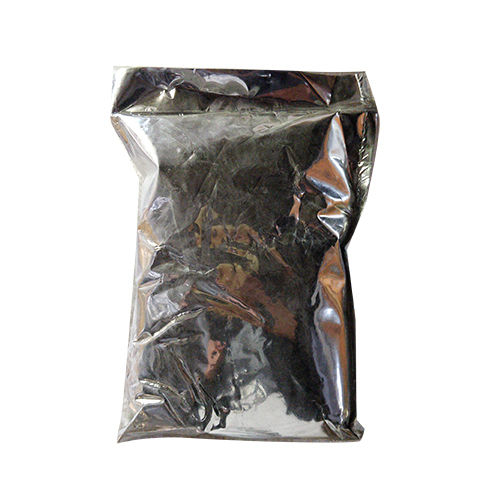
Tell us about your requirement

Price: Â
Quantity
Select Unit
- 50
- 100
- 200
- 250
- 500
- 1000+
Additional detail
મોબાઈલ number
Email

વધુ Products in વોટર ટ્રીટમેન્ટ કેમિકલ Category
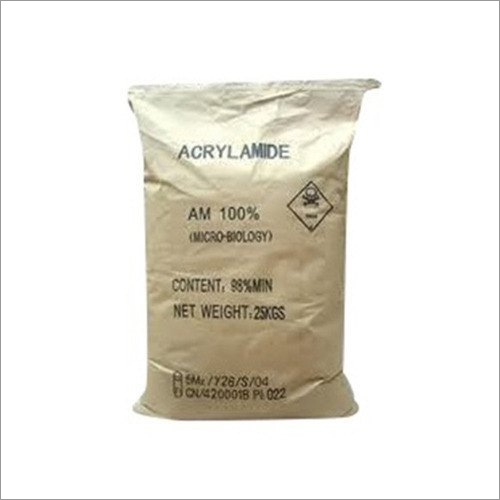
એક્રેલામાઇડ કેમિકલ
ભાવ અથવા ભાવ શ્રેણી : ઇન્ર
ન્યૂનતમ ઓર્ડર જથ્થો : 50
ગ્રેડ : ઔદ્યોગિક ગ્રેડ
ભૌતિક ફોર્મ : પાવડર
માપનું એકમ : , , કિલોગ્રામ/કિલોગ્રામ
કિંમતની એકમ : કિલોગ્રામ/કિલોગ્રામ
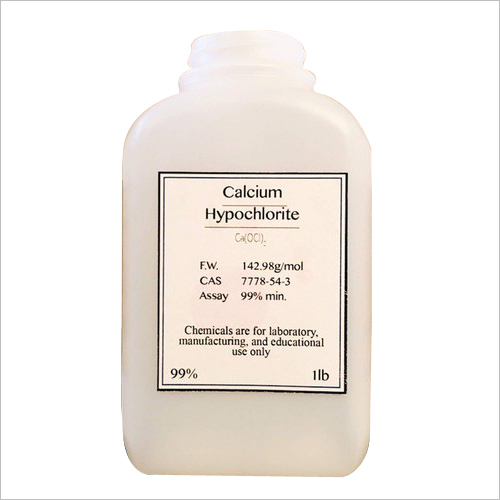
કેલ્શિયમ હાઇપોક્લોરાઇટ ગ્રાન્યુલ
ભાવ અથવા ભાવ શ્રેણી : ઇન્ર
ન્યૂનતમ ઓર્ડર જથ્થો : 500
ગ્રેડ : અન્ય
ભૌતિક ફોર્મ : દાણાદાર
માપનું એકમ : કિલોગ્રામ/કિલોગ્રામ
કિંમતની એકમ : કિલોગ્રામ/કિલોગ્રામ
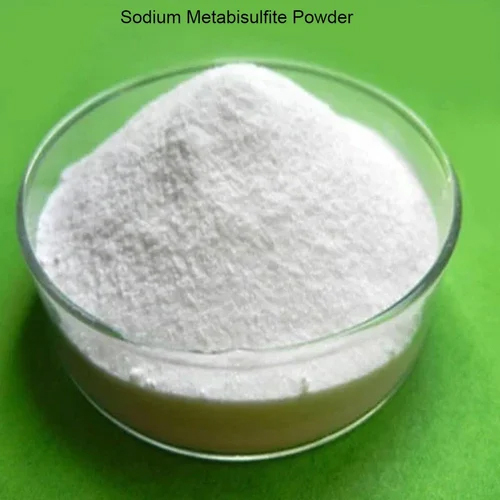
સોડિયમ મેટાબીસલ્ફાઇટ પાવડર
ભાવ અથવા ભાવ શ્રેણી : ઇન્ર
ન્યૂનતમ ઓર્ડર જથ્થો : 100
ગ્રેડ : ઔદ્યોગિક ગ્રેડ
ભૌતિક ફોર્મ : પાવડર
માપનું એકમ : કિલોગ્રામ/કિલોગ્રામ
કિંમતની એકમ : કિલોગ્રામ/કિલોગ્રામ
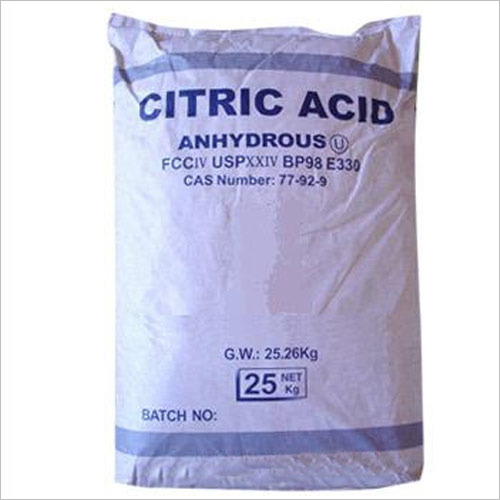
નિર્જળ સાઇટ્રિક એસિડ
ભાવ અથવા ભાવ શ્રેણી : ઇન્ર
ન્યૂનતમ ઓર્ડર જથ્થો : 500
ગ્રેડ : ફૂડ ગ્રેડ
ભૌતિક ફોર્મ : પાવડર
માપનું એકમ : કિલોગ્રામ/કિલોગ્રામ
કિંમતની એકમ : કિલોગ્રામ/કિલોગ્રામ

એન્જલ કેમિકલ્સ
GST : 24AAVCA9917G1Z7
સંપર્ક વિગતો

- 374/2, હનુમાન મંદિર પાસે, GIDC, મકરપુરા,વડોદરા - 391243, ગુજરાત,
- ફોન :08045478213

- શ્રી નીતિન પટેલ (સીઇઓ)
- મોબાઈલ :08045478213
- પૂછપરછ મોકલો
 પૂછપરછ મોકલો
Video


|


 પૂછપરછ મોકલો
 મોકલો એસએમએસ
ANGEL CHEMICALS PRIVATE LIMITED
બધા હકો અમારી પાસે રાખેલા છે.(વાપરવાના નિયમો)
ઇન્ફોકોમ નેટવર્ક પ્રાઇવેટ લિમિટેડ . દ્વારા વિકસિત અને સંચાલિત
ઇન્ફોકોમ નેટવર્ક પ્રાઇવેટ લિમિટેડ . દ્વારા વિકસિત અને સંચાલિત

